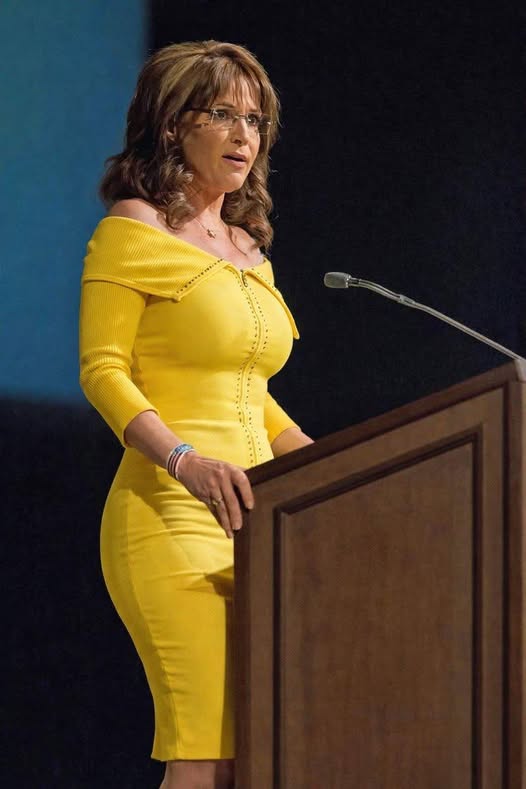
Long before national attention, Palin’s life was rooted in Alaska’s rhythms: school gyms in Wasilla, long workdays, and a modest elopement that grew into a family of five children. Their marriage was shaped by ordinary pressures and shared convictions—self-reliance, endurance, and commitment. For years, those foundations held.
Public life changed the landscape. Palin’s rise to the governor’s office, followed by her sudden elevation onto the national political stage in 2008, brought a level of scrutiny that did not recede when campaigns ended. The attention was constant, personal, and often intrusive. Over time, the distance between public role and private life widened, placing strain on a marriage that had been built far from the spotlight.
By the time the divorce became official, the separation had already taken root quietly. Learning of its finality through formal channels left Palin unsettled—not only by the loss itself, but by how it arrived. The end of a long partnership rarely feels clean, even when it has been unfolding slowly.
In the years since, Palin has spoken less about ambition and more about adjustment. The work became internal: processing grief, redefining identity, and finding steadiness outside of public momentum. She later acknowledged a relationship with longtime friend Ron Duguay, describing it not as a return to spectacle, but as a measured step toward companionship after loss.
Her story, at this stage, is no longer about campaigns or crowds. It is about what remains when visibility fades—about resilience, recalibration, and the difficult courage required to begin again without applause.
Sometimes the most consequential changes happen offstage, without headlines or resolution. What follows is not reinvention, but endurance—the quiet task of carrying forward when a long chapter closes, and the future must be written more carefully than before.
