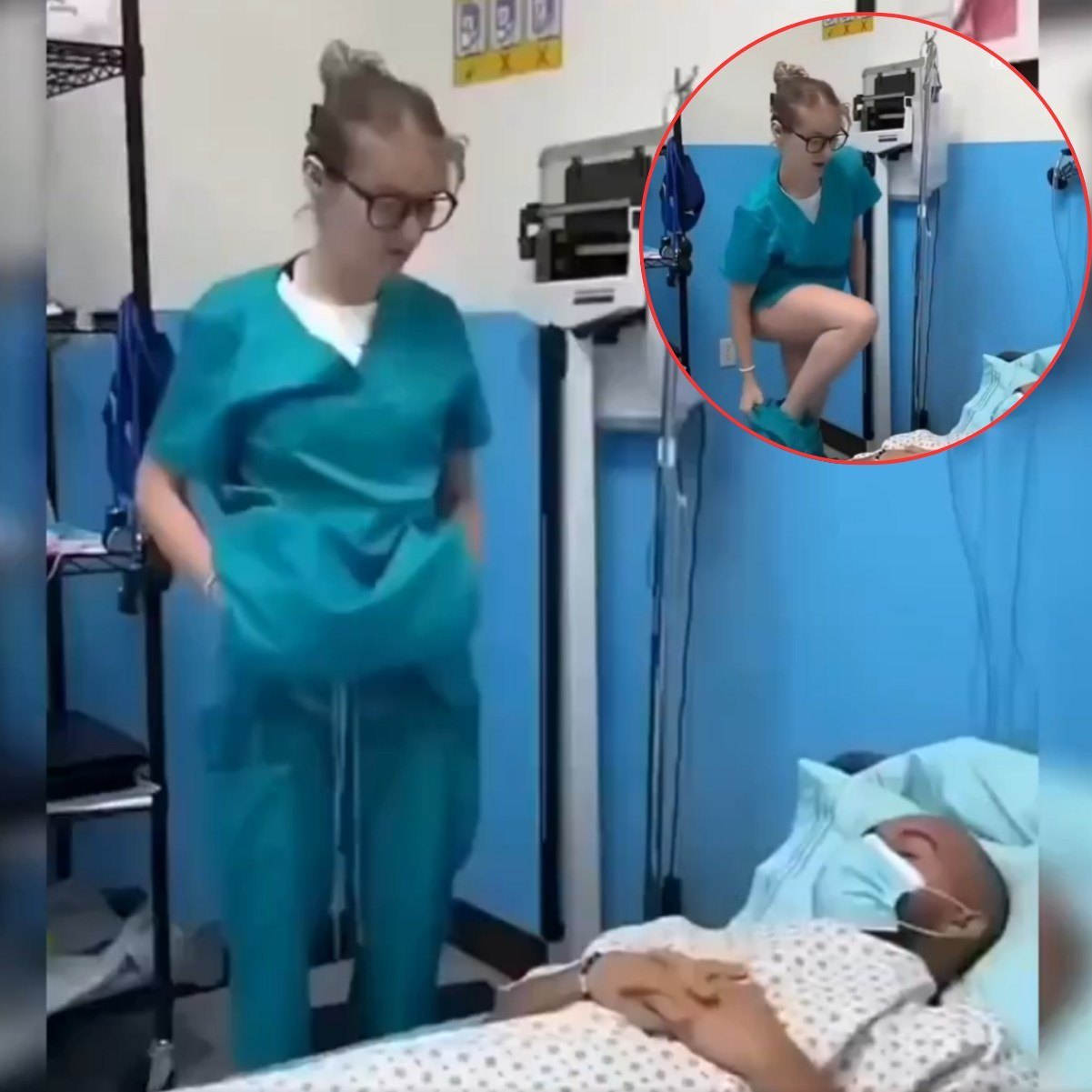
A short video allegedly filmed inside a hospital setting has recently spread rapidly across social media, drawing millions of views within a single day and triggering widespread concern among healthcare professionals, legal experts, and the general public.
While the footage itself has not been independently verified, its circulation has reignited discussions about professional boundaries in medical environments, patient privacy, and the risks of viral content involving sensitive settings.
According to online reports, the clip appeared to originate from a private group chat before being reposted publicly, where it quickly gained traction across multiple platforms.
Why Medical Settings Require Higher Ethical Standards
Hospitals and clinics are environments built on trust. Patients enter these spaces in vulnerable conditions, often unable to advocate fully for themselves. Because of this, healthcare workers are held to strict professional and ethical standards designed to protect dignity, safety, and privacy.
Medical ethicists emphasize that any conduct—real or perceived—that undermines this trust can have serious consequences, not only for individuals involved but for public confidence in healthcare systems as a whole.
Even unverified footage can cause damage if it appears to show inappropriate behavior in a clinical setting.
WATCH FULL UNCUT CLIP BEFORE IT’S DELETED:
One of the most concerning aspects of viral content filmed in medical environments is the issue of patient privacy. Laws and regulations in many countries strictly limit the recording and sharing of images or videos involving patients, regardless of intent.
Legal experts note that violations related to patient confidentiality can carry severe penalties, including termination of employment, civil liability, and professional sanctions. In some cases, institutions may also face scrutiny for failing to prevent unauthorized recordings.
Importantly, these concerns apply even when identifying details are not clearly visible.
How Unverified Clips Go Viral
Digital media analysts explain that videos involving sensitive environments often spread quickly because they combine shock value with emotional reactions. Once a clip is framed with dramatic captions or commentary, viewers may share it without questioning authenticity or context.
This rapid spread creates a situation where speculation outpaces facts. Institutions and individuals involved may find themselves responding to public outrage before any investigation has taken place.
Experts warn that viral momentum can permanently shape public perception, even if later information contradicts initial assumptions.
The Impact on Healthcare Workers
Healthcare professionals already operate under intense pressure, and viral incidents—real or alleged—can further strain trust between staff and patients. Even when misconduct is isolated or unproven, the reputational impact can extend far beyond those directly involved.
Professional organizations stress the importance of clear policies, staff training, and digital conduct guidelines to prevent situations that could be misinterpreted or misused online.
Maintaining professionalism is not only a legal obligation but a cornerstone of patient care.
Institutional Responses and Internal Reviews
In cases where viral footage appears to involve healthcare settings, institutions typically initiate internal reviews to determine authenticity, context, and compliance with policy. These reviews are essential to ensure fairness and accuracy before conclusions are drawn.
Hospitals also work closely with legal teams to assess potential privacy breaches and to manage public communication responsibly.
Experts caution against rushing to judgment based solely on social media narratives.
Social Media, Accountability, and Restraint
This incident highlights a broader issue: the responsibility that comes with sharing content online. Recording or distributing footage from sensitive environments can cause harm even when intentions are unclear.
Digital ethics researchers argue that online platforms encourage speed over accuracy, often rewarding sensational content without regard for consequences. This dynamic places individuals at risk of becoming viral symbols rather than real people.
Greater awareness and restraint are increasingly seen as necessary skills in the digital age.
What This Case Teaches About Viral Culture
Several lessons emerge from situations like this:
-
Sensitive environments demand higher ethical awareness
-
Viral content often spreads faster than verified information
-
Privacy concerns extend beyond visible identities
-
Online outrage can precede due process
These lessons are particularly relevant in healthcare, where trust and professionalism are fundamental.
A Reminder About Responsibility in the Digital Age
Whether the video reflects misconduct, misunderstanding, or manipulation, its impact underscores a key reality: moments captured and shared online can carry lasting consequences.
Healthcare settings, in particular, require respect, discretion, and accountability—from staff, visitors, and the public alike.
As investigations continue and facts are clarified, experts urge caution, empathy, and a commitment to responsible sharing.
